

The rapid evolution of digital innovation is transforming industries worldwide, and healthcare is at the center of this revolution. Today, technology trends in healthcare are redefining how medical professionals diagnose diseases, deliver treatment, manage patient data, and improve overall healthcare experiences. From artificial intelligence to smart wearable devices, the integration of healthcare and tech is creating a more connected, efficient, and patient-focused healthcare ecosystem.
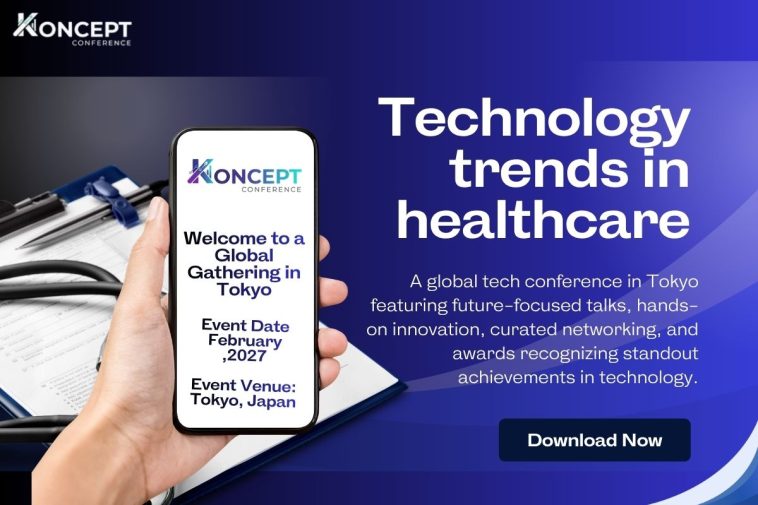
At global innovation platforms like Koncept Conference Tokyo 2027, experts and innovators are exploring how emerging technologies are shaping the future of medicine and healthcare delivery.
The Growing Impact of Tech in Healthcare
The rise of tech in healthcare has accelerated significantly in recent years. Hospitals, clinics, and healthcare organizations are increasingly investing in digital tools and smart technologies to improve operational efficiency and patient outcomes.
One of the biggest advantages of technology and healthcare integration is the ability to provide faster and more accurate diagnoses. Advanced AI systems can now analyze medical images, predict disease risks, and support doctors in making informed decisions. This not only saves time but also improves the accuracy of treatments.
Healthcare providers are also using cloud-based systems to securely manage patient records and improve collaboration between medical teams. These advancements demonstrate how technologies in healthcare are enhancing both medical operations and patient care.
Artificial Intelligence Driving Healthcare Innovation
Artificial intelligence is one of the most influential healthcare tech trends today. AI-powered tools help healthcare professionals detect diseases earlier, automate repetitive tasks, and personalize treatment plans.
Examples of AI applications in healthcare include:
- Predictive analytics for disease prevention
- AI-assisted medical imaging
- Virtual health assistants and chatbots
- Personalized medicine recommendations
These innovations are helping doctors deliver better care while reducing operational costs. As AI continues to evolve, it will play an even greater role in shaping the future of technology trends in healthcare.
Wearable Devices and Remote Monitoring
Wearable technology is another major area of growth within tech in healthcare. Smartwatches, fitness trackers, and health-monitoring devices allow patients to track vital signs such as heart rate, oxygen levels, and sleep patterns in real time.
Remote monitoring technologies are especially valuable for patients with chronic conditions, enabling healthcare providers to monitor health data without requiring frequent hospital visits. This advancement highlights how healthcare and tech are making healthcare more accessible and convenient.
The growing popularity of wearable devices also supports preventive healthcare by encouraging individuals to maintain healthier lifestyles and detect potential health issues early.
Telemedicine and Virtual Healthcare
Telemedicine has become one of the most impactful healthcare tech trends globally. Virtual consultations allow patients to connect with healthcare professionals from anywhere, improving access to medical services and reducing waiting times.
Benefits of telemedicine include:
- Improved healthcare accessibility
- Reduced travel and operational costs
- Faster patient consultations
- Enhanced healthcare delivery in remote areas
As digital healthcare infrastructure continues to improve, telemedicine will remain a core component of modern technology and healthcare solutions.
Smart Hospitals and IoT Integration
The Internet of Things (IoT) is revolutionizing hospital management and patient care. Smart healthcare devices connected through IoT networks enable real-time monitoring, automated alerts, and efficient data sharing.
Examples of IoT in healthcare include:
- Smart patient monitoring systems
- Connected medical devices
- Automated medication management
- Intelligent hospital infrastructure
These advancements show how technologies in healthcare are improving efficiency, reducing errors, and enhancing patient safety.
Data Security and Healthcare Technology
As healthcare becomes more digital, cybersecurity is becoming increasingly important. Protecting patient information and medical records is a major priority for healthcare organizations adopting advanced technologies.
Secure cloud systems, blockchain solutions, and AI-driven cybersecurity tools are helping healthcare providers protect sensitive data while maintaining compliance with healthcare regulations. This growing focus on security is an essential part of future healthcare tech trends.
The Future of Technology Trends in Healthcare
The future of healthcare will be driven by innovation, collaboration, and digital transformation. Emerging technologies such as robotics, genomics, AI, and advanced data analytics will continue to reshape patient experiences and medical research.
Global platforms like Koncept Conference Tokyo 2027 play a crucial role in bringing together healthcare leaders, technology experts, startups, and innovators to discuss the next generation of healthcare solutions.
As tech in healthcare continues to evolve, organizations that embrace innovation will be better equipped to improve patient outcomes, increase operational efficiency, and create a more sustainable healthcare ecosystem.
Conclusion
The integration of technology and healthcare is transforming the medical industry at an unprecedented pace. From AI-powered diagnostics to wearable devices and smart hospitals, modern technologies in healthcare are improving accessibility, efficiency, and patient care worldwide.
These evolving technology trends in healthcare are not only reshaping healthcare systems but also creating new opportunities for innovation and collaboration. As global healthcare challenges continue to grow, the partnership between healthcare and tech will remain essential in building a healthier, smarter, and more connected future.
