

 Fluxx Conference
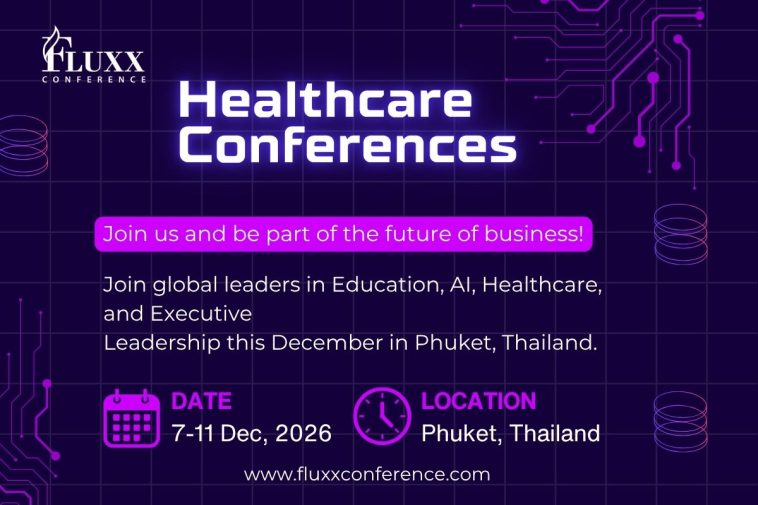
The modern healthcare landscape changes faster than ever before. New technologies emerge overnight, treatment protocols evolve continuously, and patient expectations grow more sophisticated each year. In the middle of this rapid transformation, one thing remains essential for medical professionals: staying connected to knowledge, innovation, and leadership. That is where healthcare conferences become far more than networking events, they become catalysts for professional growth.
For physicians and specialists, attending the right conference is not simply about collecting continuing education credits. It is about stepping into a space where medicine, leadership, collaboration, and future-focused thinking converge under one roof.
Access to Emerging Medical Innovations
A truly valuable conference creates conversations that continue long after the event ends. The most impactful gatherings bring together experts from different specialties, allowing attendees to gain perspectives they may never encounter within their own institutions. A cardiologist may discover new AI-driven diagnostic tools from a technology panel, while an orthopedic surgeon may learn patient communication strategies from leadership workshops. These interdisciplinary exchanges often inspire innovation in everyday clinical practice.
Another defining feature of successful healthcare conferences is access to emerging medical advancements. Physicians and specialists operate in an environment where delayed knowledge can affect patient outcomes. Conferences provide direct exposure to breakthrough research, evolving treatment methods, digital healthcare systems, and medical devices before they become mainstream. Instead of reading about trends months later, attendees experience them in real time through keynote discussions, live demonstrations, and expert-led sessions.
Why Leadership Development Matters in Healthcare?
Clinical expertise alone no longer defines a successful healthcare professional. Leadership has become equally important in modern medicine. Hospitals, private practices, and healthcare organizations increasingly seek physicians who can guide teams, manage operational challenges, and adapt to organizational change. This is why many healthcare professionals now participate in business leadership conferences 2026 alongside medical events.
These leadership-focused conferences help physicians strengthen communication, decision-making, and strategic thinking skills. A specialist who understands both medicine and leadership becomes more effective in managing multidisciplinary teams, improving patient experiences, and navigating healthcare business complexities. In many cases, these conferences also address burnout prevention, workplace culture, and sustainable leadership—critical topics in today’s demanding healthcare environment.
The Power of Interactive Learning
Equally valuable is the educational structure behind high-quality events. The most respected conferences are carefully designed to balance learning with practical application. Workshops, panel discussions, and case-study sessions encourage physicians to engage actively instead of passively listening. This interactive learning environment is one reason why events such as the Education summit 2026 continue to attract professionals seeking meaningful development opportunities.
Interactive learning also allows specialists to discuss real-world challenges openly. Whether the topic involves patient care efficiency, healthcare technology integration, or evolving regulations, conferences create a collaborative space where professionals can exchange practical solutions.
Networking That Builds Long-Term Opportunities
Networking plays a major role in the value of conferences. Medical careers are often shaped by professional relationships built over time. Conferences create opportunities to connect with researchers, healthcare executives, educators, and fellow specialists who share similar challenges and ambitions.
These interactions can lead to collaborative research, mentorship opportunities, speaking engagements, and even career advancement. Beyond career growth, networking also helps physicians feel connected to a broader professional community that understands the pressures and responsibilities of modern healthcare.
Conclusion
Ultimately, a healthcare conference becomes valuable when it delivers more than information. It should inspire action, encourage innovation, strengthen leadership, and create meaningful professional connections. For physicians and specialists navigating an increasingly complex medical world, the right conference is not just an event on the calendar, it is an investment in the future of healthcare itself.
Comments
Loading…